How To Maintain Your API Storage Tank For Longevity
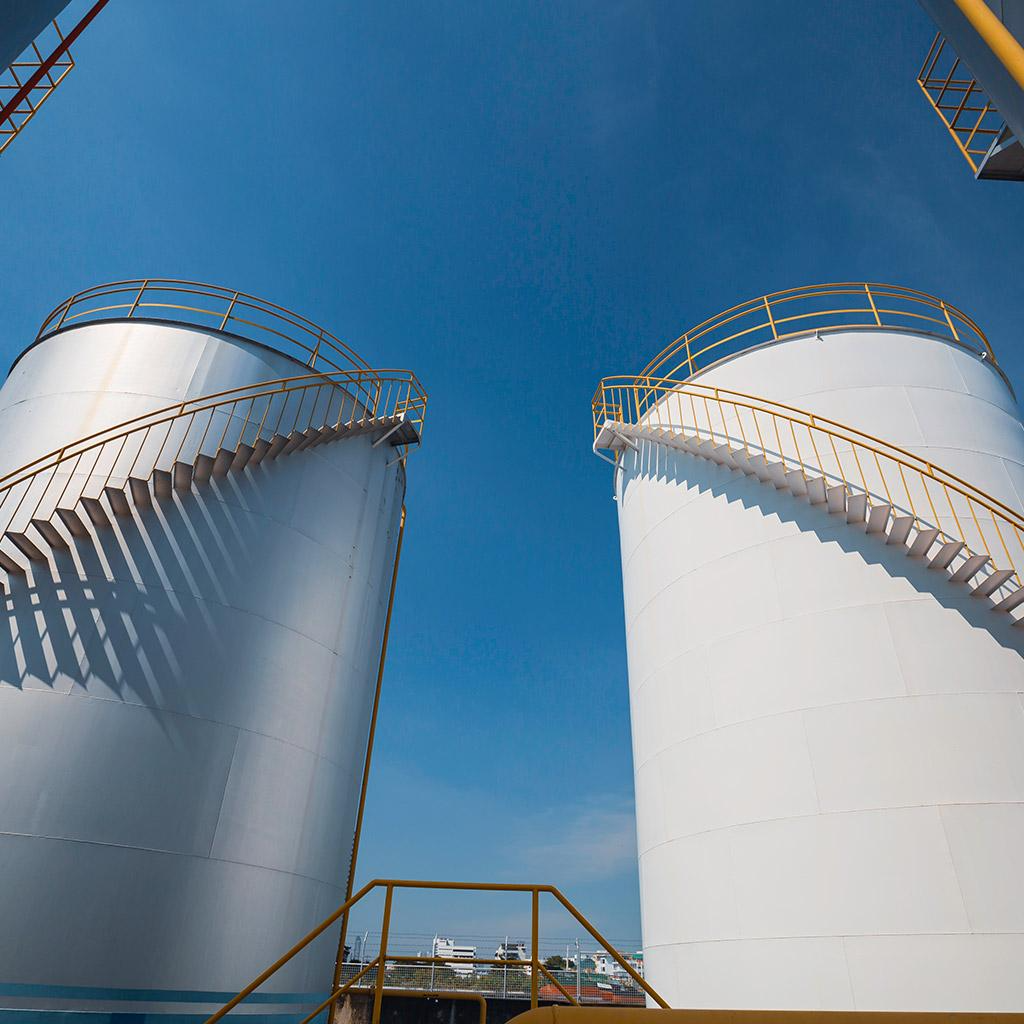
An industrial storage tank stands as a silent workhorse, holding valuable resources day and night. Proper care turns this structure into a lasting asset, avoiding expensive repairs and unexpected downtime.
A consistent maintenance routine protects the investment and guarantees smooth operations for years. This guide offers practical steps to keep the tank in top condition. The longevity of any API storage tank relies on a disciplined approach to inspection, cleaning, and repair.
Routine inspection schedules
Consistent checks form the backbone of tank health. Visual assessments identify small cracks or rust spots before they grow. Examine the outer shell for signs of thinning metal. Check seals and gaskets for leaks. Document every finding in a logbook to track changes over time. Frequency of these checks remains critical for early problem detection.
Corrosion control measures
Corrosion eats away at steel surfaces. Apply protective coatings to stop rust from forming. These barriers shield the metal from moisture and chemicals. Inspect cathodic protection systems to see if they function correctly. Keep the area around the base clean and dry to stop water from pooling. Dealing with paint touch-ups immediately stops oxidation.
Foundation and base stability
Soil shifting or ground movement stresses the tank structure. Inspect the concrete pad for cracks or uneven settling. If the base shifts, the tank experiences uneven pressure. Use leveling tools to verify the vertical alignment. Water drainage around the perimeter stops soil erosion. Solid ground support prevents stress fractures in the weld seams.
Pressure and vent management
Vents allow tanks to breathe during filling or emptying. Clogged vents lead to dangerous pressure buildup. Inspect screens for debris like dirt or small insects. Ensure pressure relief valves operate according to safety standards. Clean airflow prevents the tank from collapsing or bursting due to vacuum conditions. Properly functioning vents protect the structural integrity of the shell.
Valve and piping care
Pipes and valves carry product in and out of the storage unit. Inspect these connections for signs of weeping or drips. Tighten loose bolts and replace worn seals instantly. Keep manual handwheels clean to prevent seizing. Test valves by cycling them open and closed periodically. Smooth operation of these parts prevents fluid loss and environmental risks.